Список публикаций
|
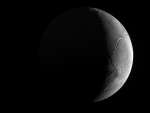
Выглядывая из тени, обращенное к Сатурну полушарие удивительного внутреннего спутника Энцелада позирует на этом снимке, сделанном космическим аппаратом Кассини. Север находится вверху на этой эффектной фотографии, снятой в ноябре 2016 года. Камера Кассини была направлена почти на Солнце, аппарат находился на расстоянии около 130 тысяч километров от яркого полумесяца спутника.
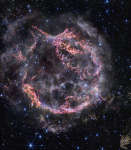
В течение миллиардов лет жизни массивных звезд в нашей Галактике Млечный Путь протекали весьма эффектно. Образуясь при сжатии огромных космических облаков, они зажигали свои ядерные печи и начинали создавать в своих ядрах тяжелые элементы. Через несколько миллионов лет обогащенное вещество выбрасывалось назад в межзвездное пространство, где снова начиналось образование звезд.
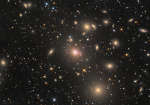
Активная галактика NGC 1275 – центральная, доминирующая галактика в сравнительно близком скоплении галактик в Персее. В видимом свете она выглядит очень странно, кроме того, активная галактика является мощным источником рентгеновских лучей и радиоизлучения. Целая галактика падает на нее, и NGC 1275 поглощает вещество этой галактики, подпитывая сверхмассивную черную дыру в своем ядре.
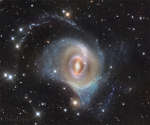
У большинства галактик нет колец – почему у этой галактики три кольца? Во-первых, кольцо около центра NGC 1512, которое трудно увидеть на этой картинке – ядерное кольцо, в нем ярко светят недавно сформировавшиеся звезды. Следующее – кольцо из звезд и пыли, в котором видны как голубые, так и красные области.
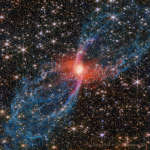
Какую же запутанную сеть может соткать планетарная туманность. Планетарная туманность Красный Паук демонстрирует нам, какую сложную структуру могут породить газы, выбрасываемые нормальной звездой, когда она превращается в белого карлика. Официально обозначаемая NGC 6537...
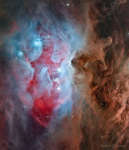
Какая часть Ориона показана здесь? Севернее знаменитой туманности Ориона находится живописная область звездообразования в Мече Ориона. Она богата пылью, которая иногда выглядит голубой, отражая свет погруженных в нее ярких звезд. Эту область называют туманность Бегущий человек, потому что часть коричневой пыли справа выглядит как бегущие ноги.
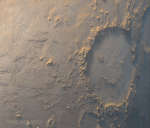
Даже Марс может улыбаться. Внутренние структуры марсианского кратера Галле делают его похожим на лицо, которое улыбается и подмигивает. Первые фотографии кратера были получены в 1970-х годах орбитальным аппаратом Викинг. Этот снимок сделан космическим аппаратом Марс Глобал Сервейор, который обращался вокруг Марса с 1996 по 2006 год.
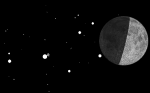
На данной неделе 23 февраля Луна (Ф= 0,45+) будет наблюдаться близ Альдебарана, Урана и рассеянного звездного скопления Плеяды (покрытие при видимости в северной части западной половины России)
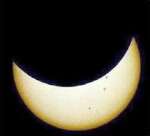
На данной неделе 17 февраля произойдет кольцеобразное солнечное затмение при видимости в Антарктиде
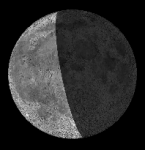
На данной неделе 10 февраля Луна (Ф= 0,39-) достигнет апогея своей орбиты на расстоянии 405477 км от центра Земли |
|