Список публикаций
|
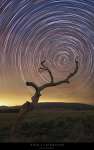
Если вы живете в северном полушарии, то скорее всего знаете, как найти Северную, или Полярную звезду на ночном небе. Она находится близко к северному полюсу мира и может помочь узнать направление на север. У жителей южного полушария нет яркой звезды, отмечающей южный полюс мира. Однако определить направление на юг может помочь созвездие Южный Крест.
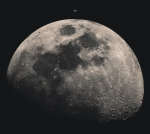
Нет, это не космический корабль пришельцев, собирающийся совершить посадку на Луне! Это – изображение Международной космической станции (МКС) до пролета перед Луной. МКС облетает вокруг Земли каждые 90 минут на низкой околоземной орбите. Совершая...
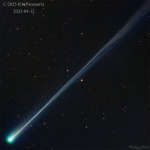
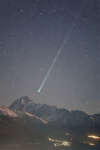
Почему хвост кометы R3 (PanSTARRS) имеет такую структуру? Новая яркая гостья внутренней области Солнечной системы – комета C/2025 R3 (PanSTARRS), уже выбросила впечатляющий поток светящегося газа. Этот хвост начинается от невидимого ядра из грязного льда размером в несколько километров. Ядро нагревается Солнцем и выбрасывает облако нейтрального газа в кому, которая дает светло-зеленое свечение.
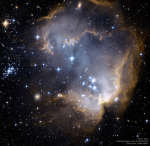
Эти облака могут напоминать устрицу, а звезды – жемчужины. На окраине Малого Магелланова Облака – удаленного на 200 тысяч световых лет спутника нашей Галактики – находится молодое звездное скопление NGC 602, возраст которого составляет 5 миллионов лет. На этом великолепном изображении, полученном телескопом им.
Комета R3 быстро ярчает, но сможет ли она выжить? Комета C/2025 R3 (PanSTARRS) была открыта в прошлом году, с тех пор она медленно ярчала и ее ионный хвост удлинялся. Эта испаряющаяся гора из грязного...
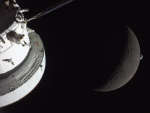
На шестой день полета (6 апреля) миссия Артемида-2 совершила исторический пролет около Луны. Этот маневр в далеком космосе стал первым визитом человечества к Луне после полета Аполлона-17 в 1972 году. Обогнув обратную сторону Луны, космический корабль Орион-Интегрити удалился от Земли на 407 тысяч километров.
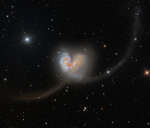
На расстоянии около 60 миллионов световых лет, в южном созвездии Ворона, сталкиваются две большие галактики. Звезды в этих галактиках, занесенных в каталог как NGC 4038 и NGC 4039, очень редко сталкиваются во время этой катастрофы, продолжающейся сотни миллионов лет.
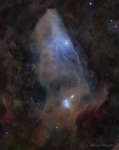
Вы видите голову лошади? То, что вы видите на фотографии, это не знаменитая туманность Конская голова, расположенная в созвездии Ориона. Это гораздо более тусклая туманность, принимающая знакомую форму на глубоких изображениях. Основная часть комплекса молекулярных облаков, изображенного на этой фотографии – отражательная туманность, занесенная в каталог как IC 4592.
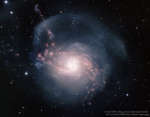
В спиральной галактике NGC 3310 продолжается вечеринка. Около 100 миллионов лет назад NGC 3310, по-видимому, столкнулась с галактикой меньших размеров, что вызвало в ней гигантскую вспышку звездообразования. В процессе столкновения изменения гравитационного поля привели к появлению волн плотности, вызвавших сжатие газовых облаков и запустивших процесс формирования звезд. Это изображение было получено на телескопе Джемини-север.
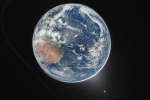
Наша прекрасная планета запечатлена от полюса до полюса на этом снимке из космоса. Эффектное изображение получено из иллюминатора космического корабля Орион-Интегрити. С точки, где находился космический корабль, Солнце располагалось за ярким лимбом Земли внизу справа. |
|