Список публикаций
|
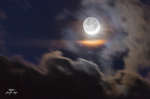
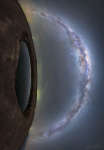
Кажется, что края освещенного Солнцем полумесяца обнимают тускло светящуюся ночную сторону Луны. Эффектная небесная сцена запечатлена с помощью одной экспозиции с телеобъективом 19 апреля, когда Луна в возрасте двух дней находилась около перигея на своей эллиптической орбите. В эту ночь молодая Луна располагалась на небе около прекрасного звездного скопления Плеяды.
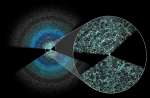
Это – карта Вселенной. Инструмент DESI (Dark Energy Spectroscopic Instrument – Спектроскопический инструмент темной энергии) на Национальной обсерватории Китт-Пик в Аризоне закончил пятилетний обзор. Он наблюдал более 47 миллионов галактик и квазаров и создал трехмерную карту с центром на Земле.
С чем может быть связан заход Земли? Командир миссии Артемида-2 Рид Уайсмен запечатлел эффектные виды Земли во время исторического полета к Луне. Снятое им с помощью айфона с восьмикратным зумом видео показывает, как наша планета постепенно скрывается за Луной.
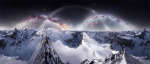
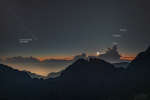
Почему на небе видны три дуги, а не две? В прошлом месяце смелый астрофотограф высадился с вертолета на высокой горе в Альпах около границы между Швейцарией и Италией. Он ожидал, что за ночь будут видны две дуги нашей Галактики Млечный Путь.
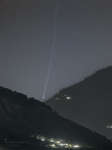
Рассмотреть длинный хвост кометы R3 PanSTARRS лучше всего на фотографии. На этой неделе недавно поярчавшую комету можно наблюдать на северном небе на востоке перед рассветом, но увидеть ее невооруженным глазом очень трудно. Протянувшийся на несколько градусов ионный хвост запечатлен на длинной экспозиции.
У вас когда-нибудь были звезды в глазах? Кажется, что у глаза слева они есть, и более того, он смотрит на все большее число звезд. Эта картинка – мозаика из 27 снимков, снятых в 2019 году из Ояс де Салар в пустыне Атакама в Чили.
Комета C/2025 R3 PanSTARRS видна около восточного горизонта перед рассветом. Она ярчает и хорошо видна в бинокль или небольшой телескоп. В местах с темным небом она может быть около предела видимости невооруженным глазом. Комета PanSTARRS хорошо видна на этой фотографии, снятой 16 апреля с помощью камеры.
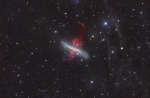
M82 – галактика с вспышкой звездообразования и сверхветром. Вспышка звездообразования в М82 вызвала многочисленные взрывы сверхновых и мощные ветры от массивных звезд, порождающие гигантский поток вещества. Свидетельства сверхветра из центральных областей галактики видны на этом четком телескопическом изображении.
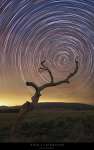
Если вы живете в северном полушарии, то скорее всего знаете, как найти Северную, или Полярную звезду на ночном небе. Она находится близко к северному полюсу мира и может помочь узнать направление на север. У жителей южного полушария нет яркой звезды, отмечающей южный полюс мира. Однако определить направление на юг может помочь созвездие Южный Крест.
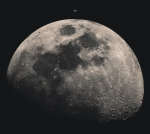
Нет, это не космический корабль пришельцев, собирающийся совершить посадку на Луне! Это – изображение Международной космической станции (МКС) до пролета перед Луной. МКС облетает вокруг Земли каждые 90 минут на низкой околоземной орбите. Совершая... |
|