Список публикаций
|
На данной неделе 29 марта произойдет покрытие Луной (Ф= 0,89+) Регула при видимости на юге Европейской части России
На данной неделе 20 марта Луна (Ф= 0,02+) пройдет близ Венеры. В этот же день наступит весеннее равноденствие
На данной неделе 11 марта Юпитер достигнет стояния с переходом к прямому движению, а Луна (Ф= 0,46-) пройдет точку максимального склонения к югу от небесного экватора. 15 марта Меркурий пройдет в 3,4 гр. к северу от Марса
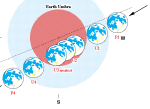
На данной неделе 2 марта произойдет покрытие Луной (Ф= 0,99+) Регула при видимости в восточной половине страны, а 3 марта произойдет полное лунное затмение при видимости в Сибири и на Дальнем Востоке
На данной неделе 27 января Луна (Ф= 0,69+) будет находиться близ Альдебарана, Урана и рассеянного звездного скопления Плеяды (покрытие при видимости в северной части восточной половины страны)
На данной неделе 24 января астероид Nysa (44) вступит в противостояние с Солнцем
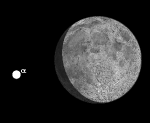
На данной неделе 13 января Луна (Ф= 0,21-) достигнет апогея своей орбиты на расстоянии 405437 км от центра Земли
На данной неделе 10 января Юпитер вступит в противостояние с Солнцем, а Луна (Ф= 0,47-) пройдет близ Спики
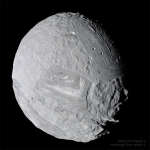
Что на самом деле представляет собой Миранда? Старые снимки, полученные космическим аппаратом НАСА Вояджер-2, недавно были переобработаны, в результате получилось это изображение спутника Урана размером в 500 километров. Когда в конце 1980-х годов Вояджер-2 пролетал около Урана, он приблизился к покрытому кратерами и необычными желобами спутнику, названному в честь персонажа пьесы Шекспира "Буря".
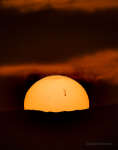
Сейчас на Солнце наблюдается необычно активная область солнечных пятен. Область, получившая обозначение AR 4366, намного больше Земли и за последние десять дней вызвала несколько мощных вспышек. На снимке она видна как большая группа темных солнечных пятен выше и правее центра диска. На изображении Солнце запечатлено над холмом в Закатекасе в Мексике 5 дней назад. |
|