
|

Credit & Copyright: NASA,
ESA,
CSA,
STScI,
JWST;
Processing:
Alyssa Pagan
(STScI);
Rollover: NASA, ESA, HST, & J. M. Apellániz (IAA, Spain); Acknowledgement: D. De Martin (ESA/Hubble)
Explanation:
How massive can a normal star be?
Estimates made from distance, brightness and standard solar models had given one star in the
open cluster Pismis 24 over
200 times the mass of our
Sun,
making it one of the
most massive stars known.
This star is the brightest object
located
in the central cavity near the bottom center of the
featured image taken with the
Webb Space Telescope in
infrared light.
For comparison, a
rollover image from the
Hubble Space Telescope
is also featured in
visible light.
Close inspection of the
images,
however, has shown that Pismis 24-1 derives its brilliant luminosity
not from a single star but from
three at least.
Component stars
would still remain near 100 solar masses,
making them among the more
massive stars currently on record.
Toward the bottom of the image,
stars
are still forming in the associated
emission nebula
NGC 6357.
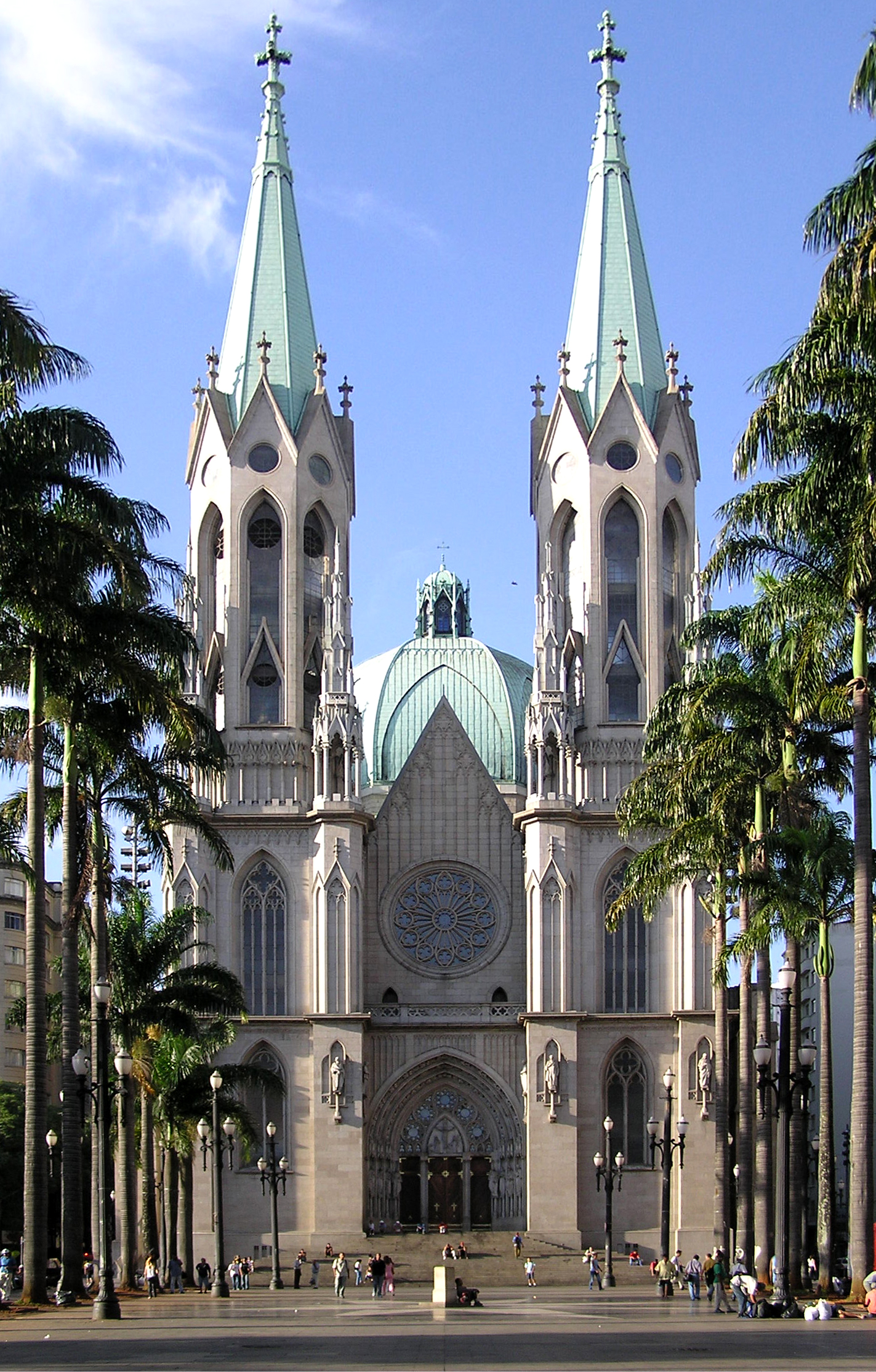
Appearing perhaps like a Gothic cathedral,
energetic stars near the center appear to be
breaking out
and illuminating a
spectacular cocoon.
Rollover: NASA, ESA, HST, & J. M. Apellániz (IAA, Spain); Acknowledgement: D. De Martin (ESA/Hubble)

Teachers & Students:
Ideas for Utilizing APOD in the Classroom
|
January February March April May June July August September October November December |
| ||||||||||||||||||||||||||||||||||||||||||||||||
NASA Web Site Statements, Warnings, and Disclaimers
NASA Official: Jay Norris. Specific rights apply.
A service of: LHEA at NASA / GSFC
& Michigan Tech. U.
Based on Astronomy Picture
Of the Day