Последние поступления
|
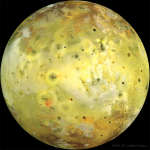
Самый необычный спутник в Солнечной системе выглядит ярко-желтым. На этой картинке Ио представлен в естественных цветах, как его бы увидел обычный человеческий глаз. Это изображение было получено в июле 1999 года космическим аппаратом Галилео, который находился на орбите Юпитера с 1995 по 2003 годы. Окраска Ио определяется серой и расплавленными силикатными породами.
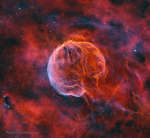
Что дает энергию этой необычной туманности? CTB-1 – это расширяющаяся газовая оболочка, оставшаяся после взрыва массивной звезды в созвездии Кассиопеи около 10 тысяч лет назад. Вероятно, взрыв произошел, когда в ядре звезды выгорели элементы, способные поддерживать стабилизирующее давление при ядерных реакциях. Остаток сверхновой называют туманностью Мозг за характерную форму.
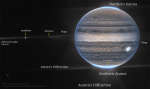
Это – впечатляющий вид на Юпитер. Инфракрасные изображения Юпитера с высоким разрешением, полученные космическим телескопом "Джеймс Вебб" показывают, например, ранее неизвестные различия между высокими яркими облаками, включая Большое Красное пятно, и низкими темными облаками. На изображении от телескопа "Джеймс Вебб" хорошо видны также пылевые кольца Юпитера, яркие полярные сияния и спутники – Амальтея и Адрастея.
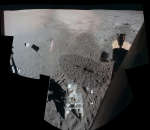
Модуль Антарес корабля Аполлон-14 совершил посадку на Луну 5 февраля 1971 года. В конце пребывания на Луне астронавт Эд Митчелл сделал серию фотографий лунной поверхности через иллюминатор модуля. Редактор журнала "Лунная поверхность от Аполлона" Эрик Джонс смонтировал из них эту подробную мозаику. На картинке запечатлен вид на горы Фра Мауро на северо-западе от места посадки.
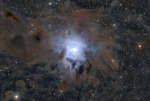
Подобно нежным космическим лепесткам, эти облака межзвездного газа и пыли распустились на расстоянии в 1300 световых лет в богатом звездном поле в созвездии Цефея. Это туманность Ирис, которая занесена в каталог как NGC 7023. Это далеко не единственная туманность на небе, которая вызывает ассоциации с цветком.
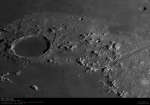
Кратер Платон диаметром в 95 километров с темным дном и освещенные Солнцем вершины лунных Альп выделяются на этом четком телескопическом снимке лунной поверхности. Альпы на планете Земля поднимались в течение миллионов лет, когда континентальные плиты медленно сталкивались. Лунные Альпы сформировались при внезапном столкновении, создавшем огромный ударный бассейн, известный как море Дождей.
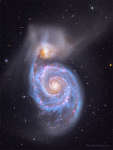
Галактика Водоворот – классическая спиральная галактика. Галактика M51, известная также как NGC 5194 – одна из самых ярких и красивых галактик на небе, она удалена от нас всего на 30 миллионов световых лет, ее размер – 60 тысяч световых лет.
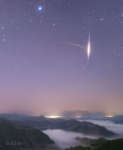
Что произошло с этим метеором? Он сбрасывает внешние слои, нагреваясь при пролете сквозь земную атмосферу. Высокая температура не только вызывает яркое свечение вдоль эффектного следа, но также расплавляет и превращает в пар горные породы и лед, из которых состоит метеор, в результате получается пыль.
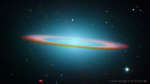
Это парящее кольцо размером с галактику. Оно является частью удивительно красивой галактики Сомбреро – одной крупнейших галактик ближайшего к нам скопления галактик в Деве. Темный пояс пыли, который закрывает среднюю часть Сомбреро, если смотреть на галактику в видимом свете, ярко светится в инфракрасных лучах. На изображении показано инфракрасное свечение, зарегистрированное Космическим телескопом им.Спитцера.
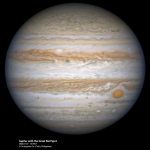
Противостояние Юпитера в 2026 году произойдет сегодня, 10 января. Самая массивная планета нашей Солнечной системы будет находиться в противоположной Солнцу точке на небе планеты Земля и достигнет максимальной яркости. Этот четкий телескопический снимок был сделан три дня назад, на нем запечатлены детали верхних частей облаков газового гиганта. |
|