Последние поступления
|
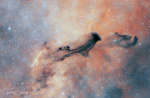
"Призрак в Млечном Пути..." – сказал Кристиан Бертинкур, астрофотограф, получивший эту эффектную фотографию туманности Барнард 93 (B93). 93-й объект в Каталоге темных туманностей Барнарда, B93 находится в Малом звездном облаке Стрельца (Мессье 24), его темнота резко контрастирует с окружающим ярким свечением звезд и газа.
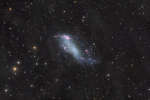
Известными обычно становятся большие спиральные галактики, их красивые симметричные спиральные рукава усеяны яркими голубыми скоплениями молодых звезд. Однако в маленьких неправильных галактиках тоже рождаются звезды. В карликовой галактике IC 2574 видны явные признаки активного звездообразования – красноватые светящиеся облака водорода.
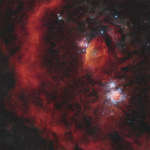
Звездные ясли в Орионе, где в облаках светящегося водорода зарождаются звезды, находятся на краю огромного молекулярного облака, удаленного от нас примерно на 1500 световых лет. Эта эффектная картинка охватывает область размером около 12 градусов в центре хорошо известного созвездия, а Большая туманность Ориона – ближайшая к нам область звездообразования – находится ниже и правее центра.
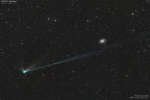
Некоторые кометы регулярно посещают окрестности Солнца, а другие прилетают только один раз и больше не возвращаются. Мы больше не сможем увидеть комету C/2024 E1 (Верчоша), которая в настоящее время движется по внутренней области Солнечной системы. Гиперболическая орбита этой кометы показывает, что она, вероятно, станет межзвездным путешественником.
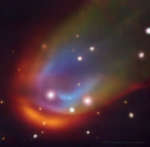
Как RXJ0528+2838 создает такие ударные волны? Недавно открытый белый карлик RXJ0528+2838 удален от Земли на 730 световых лет, это – левое из двух самых ярких белых пятен. Большинство звезд, исчерпав запасы ядерного топлива в ядрах, превращаются в красные гиганты.
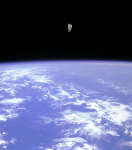
Каково это – свободно летать в космосе? Астронавт Брюс МакКэндлесс удалился почти на 100 метров от грузового отсека космического челнока Челленджер – дальше, чем кто-либо до него. Запечатленный на этой фотографии МакКэндлесс свободно летал в космосе, используя управляемое человеком устройство для маневрирования (Manned Maneuvering Unit – MMU).
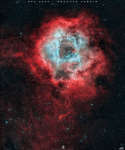
Розы и туманности – красные, а этот замечательный космический вид может служить подарком к Дню Святого Валентина. На картинке запечатлена туманность Розетка, или NGC 2237. В этом месте яркие молодые звезды расцвели на стебле из светящегося горячего газа.
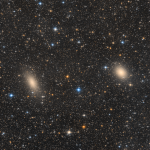
Карликовые галактики NGC 147 (слева) и NGC 185 видны рядом на этом глубоком телескопическом изображении. Это – спутники М31, большой спиральной галактики Андромеды, однако их не так часто фотографируют. На небе галактики разделяет меньше одного градуса, что на расстоянии до Андромеды в 2.5 миллионов световых лет соответствует около 35 тысячам световых лет.
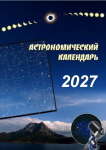
Очередной выпуск ежемесячника, освещающего астрономические явления и небесные тела, доступные для наблюдений невооруженным глазом и любительскими оптическими средствами
Астрономический календарь на 2027 год для любителей астрономии |
|