Рейтинг публикаций
|
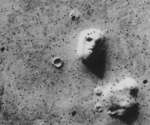
Разве не было бы забавно, если бы облака вдруг оказались замками? Или если бы белье, лежащее на стуле в спальне, оказалось супергероем? Не правда ли, было бы забавно, если бы столовые горы на Марсе были инопланетными памятниками, запечатлевшими человеческое лицо? Однако на самом деле облака – это маленькие капельки воды и льдинки, парящие в воздухе. Оценка: 5.0 [голосов: 1]
Журнал "Небосвод" для любителей астрономии Оценка: 5.0 [голосов: 1]
Всего в семи сотнях световых лет от Земли в созвездии Водолея умирает звезда, похожая на Солнце. За последние несколько тысяч лет своей жизни она создала туманность Улитку (NGC 7293) – близкую к нам и хорошо изученную планетарную туманность. Это типичный пример финальной фазы в эволюции подобной звезды. Оценка: 5.0 [голосов: 1]
Очередной выпуск журнала "Небосвод" для любителей астрономии и от любителей астрономии Оценка: 5.0 [голосов: 1]
Что поднимается над горизонтом позади облаков? Это – Солнце. Обычно восходы Солнца так не выглядят, потому что Луна в них не участвует. Однако ранним утром 10 мая 2013 года Луна оказалась между Землей и восходящим Солнцем при наблюдении из Западной Австралии. Кажется, что неосведомленному человеку трудно понять, что происходит. Оценка: 5.0 [голосов: 1]
Журнал "Небосвод" для любителей астрономии Оценка: 5.0 [голосов: 1]
На данной неделе 25 марта произойдет полутеневое лунное затмение видимое на востоке нашей страны Оценка: 5.0 [голосов: 1]
Журнал "Небосвод" для любителей астрономии Оценка: 5.0 [голосов: 1]
Этот темный силуэт на фоне богатого звездного поля имеет характерные очертания, поэтому он получил название туманность Морской конек. Поглощающее свет пылевое облако размером в несколько световых лет видно в созвездии Цефея и является частью молекулярного облака в Млечном Пути, удаленного на 1200 световых лет. Оценка: 5.0 [голосов: 1]
Какая туманность в Галактике вызывает самый сильный ужас? Одна из претендентов – LDN 43, которая очень похожа на огромную космическую летучую мышь, пролетающую среди звезд темной ночью Хэллоуина. Это молекулярное облако находится в созвездии... Оценка: 5.0 [голосов: 1] |
|