Последние поступления
|
Комета R3 быстро ярчает, но сможет ли она выжить? Комета C/2025 R3 (PanSTARRS) была открыта в прошлом году, с тех пор она медленно ярчала и ее ионный хвост удлинялся. Эта испаряющаяся гора из грязного...
На шестой день полета (6 апреля) миссия Артемида-2 совершила исторический пролет около Луны. Этот маневр в далеком космосе стал первым визитом человечества к Луне после полета Аполлона-17 в 1972 году. Обогнув обратную сторону Луны, космический корабль Орион-Интегрити удалился от Земли на 407 тысяч километров.
На расстоянии около 60 миллионов световых лет, в южном созвездии Ворона, сталкиваются две большие галактики. Звезды в этих галактиках, занесенных в каталог как NGC 4038 и NGC 4039, очень редко сталкиваются во время этой катастрофы, продолжающейся сотни миллионов лет.
Вы видите голову лошади? То, что вы видите на фотографии, это не знаменитая туманность Конская голова, расположенная в созвездии Ориона. Это гораздо более тусклая туманность, принимающая знакомую форму на глубоких изображениях. Основная часть комплекса молекулярных облаков, изображенного на этой фотографии – отражательная туманность, занесенная в каталог как IC 4592.
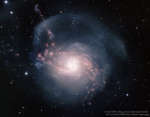
В спиральной галактике NGC 3310 продолжается вечеринка. Около 100 миллионов лет назад NGC 3310, по-видимому, столкнулась с галактикой меньших размеров, что вызвало в ней гигантскую вспышку звездообразования. В процессе столкновения изменения гравитационного поля привели к появлению волн плотности, вызвавших сжатие газовых облаков и запустивших процесс формирования звезд. Это изображение было получено на телескопе Джемини-север.
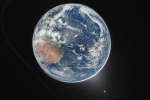
Наша прекрасная планета запечатлена от полюса до полюса на этом снимке из космоса. Эффектное изображение получено из иллюминатора космического корабля Орион-Интегрити. С точки, где находился космический корабль, Солнце располагалось за ярким лимбом Земли внизу справа.
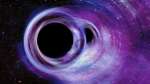
Как можно увидеть невидимое? Черные дыры трудно увидеть в темноте космоса, однако астрономы могут находить их, исследуя, как их гравитация влияет на вещество, свет и пространство-время. На картинке моделирование финального "смертельного танца" в системе из двух черных дыр совмещено с астрофотографией, запечатлевшей туманность Тарантул.
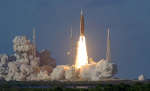
Мы еще на один маленький шаг приблизились в возвращению на Луну. Новый этап в освоении космоса начался вчера, когда состоялся запуск миссии НАСА Артемида II на борту ракеты-носителя SLS (Система космических запусков) из Космического центра им. Кеннеди. Космический корабль Орион с четырьмя астронавтами должен будет облететь Луну.
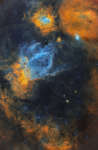
Какие неожиданные вещи вы сможете увидеть, посмотрев вверх на ночное небо? Это изображение напоминает абстрактную картину, на которой крупные мазки разными красками беспорядочно нанесены на космический холст. Однако людям свойственно находить знакомые предметы даже в таком беспорядке, и здесь можно увидеть большую клешню, протянувшуюся к плывущему пузырю.
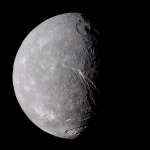
Ландшафт Титании – смесь каньонов, скал и кратеров. Межпланетный автоматический космический аппарат НАСА Вояджер-2 пролетел около самого большого спутника Урана в 1986 году и получил это изображение. Ущелья на Титании и на Ариэле &ndash... |
|